Fixed price granny flat contract in Canberra: what to look for
A fixed price contract gives one contract price for a described scope of work. In the ACT a written contract is strongly recommended rather than required, and an initial deposit of up to 10% is the usual industry practice. Check what is left out of the price, how variations work and which stages trigger each payment.
What does fixed price actually mean?
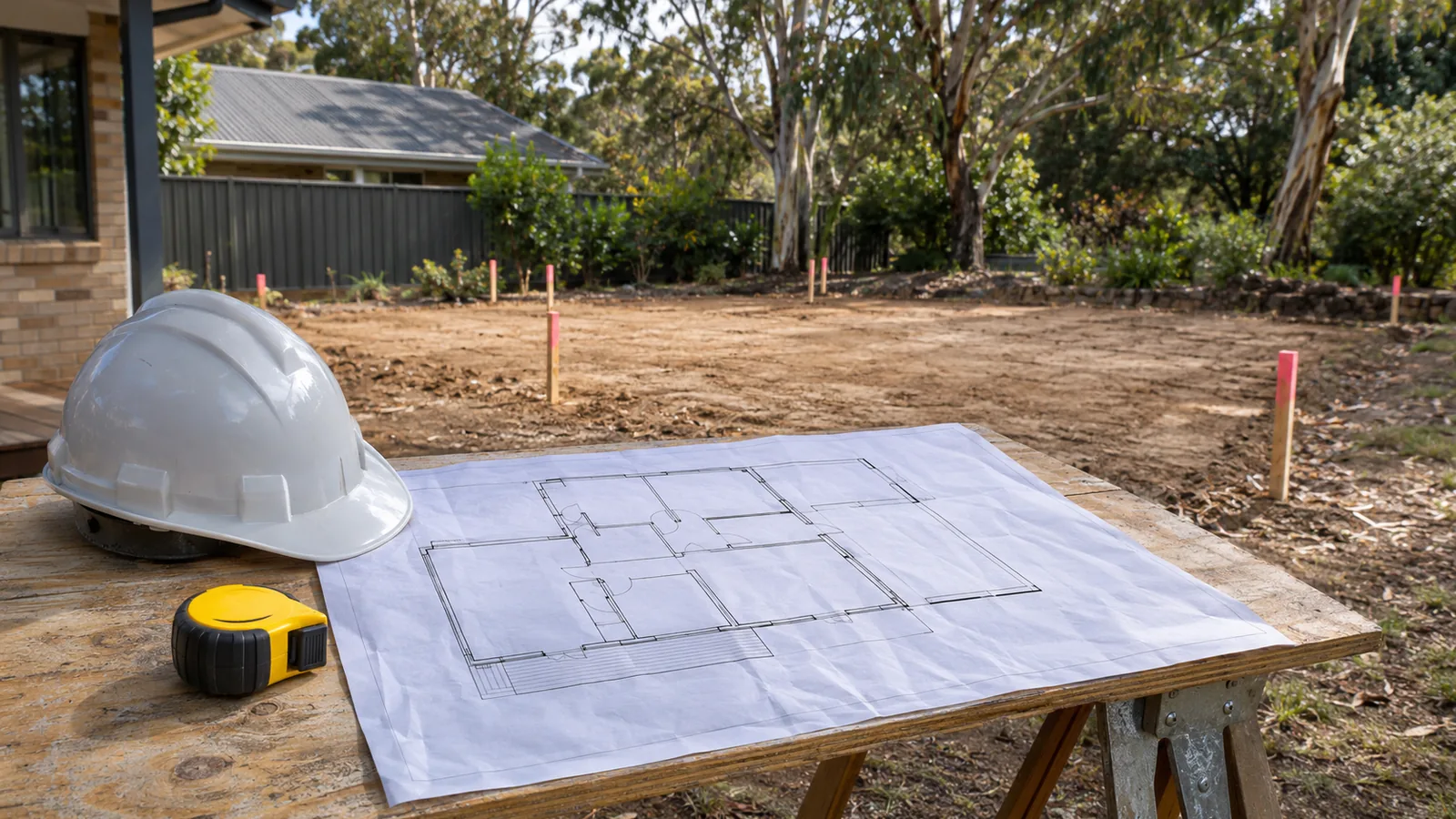
It means the contract names a price for work described in the plans and specifications. It does not mean nothing can ever change. The price can still move if you ask for changes, if a plan error is found, or if the contract allows for items that were unknown on the day you signed.
Look for three things in any fixed price quote:
- Inclusions: what the price covers, room by room and trade by trade.
- Exclusions: what you pay for separately, such as landscaping, fencing or a driveway.
- Allowances: items where the builder has put in a placeholder amount because the final choice or the ground conditions are not known yet.
A low total with long exclusions and many allowances is not the same as a low fixed price. Our guide to comparing granny flat quotes shows how to line them up.
What does the ACT Government say about contracts?
Access Canberra's advice is that there is no ACT legal requirement for a written contract for residential building work, but it strongly recommends one. It suggests a contract should include:
- names of the homeowner and builder, the work address, and dated signatures;
- the builder's licence details and insurance policies;
- a detailed description of the work, with plans and specifications attached;
- who obtains approvals, and start and completion dates that allow time for approvals;
- the contract price, or a clear explanation of costs that are unknown or may change;
- how variations and extensions of time work;
- a progress payment schedule tied to completed stages;
- practical completion, the defects liability period and a dispute resolution process.
The same advice says a residential contract must not give the builder the right to appoint the building certifier, unless that is in a separate written agreement. The homeowner appoints the certifier. See our certifier and inspections guide.
How do variations work?
A variation is a change to the agreed work. The ACT page says most contracts require variations to be in writing and signed by both parties. That protects you from a verbal change turning into a surprise on the next payment claim.
Ask three questions before you sign: how is a variation priced, does the builder add a margin on top of the trade cost, and how long can a variation delay completion? The ACT page notes that a builder's margin applies to variations, so ask what that margin is and have it written in.
What deposit and payment schedule is reasonable?
The ACT has no limit on the initial deposit. Industry practice is usually up to 10% of the contract price. After the deposit, progress payments should generally cover only work that has been completed.
| Payment point | What to check |
|---|---|
| Deposit | Percentage and what it covers |
| Progress claims | Tied to finished stages |
| Final payment | After practical completion |
| Variations | Signed first, then paid |
If a quote asks for large payments before the work reaches the stage they are named after, question it. Our pricing page explains what sits behind a granny flat price.
Which warranties and insurance apply?
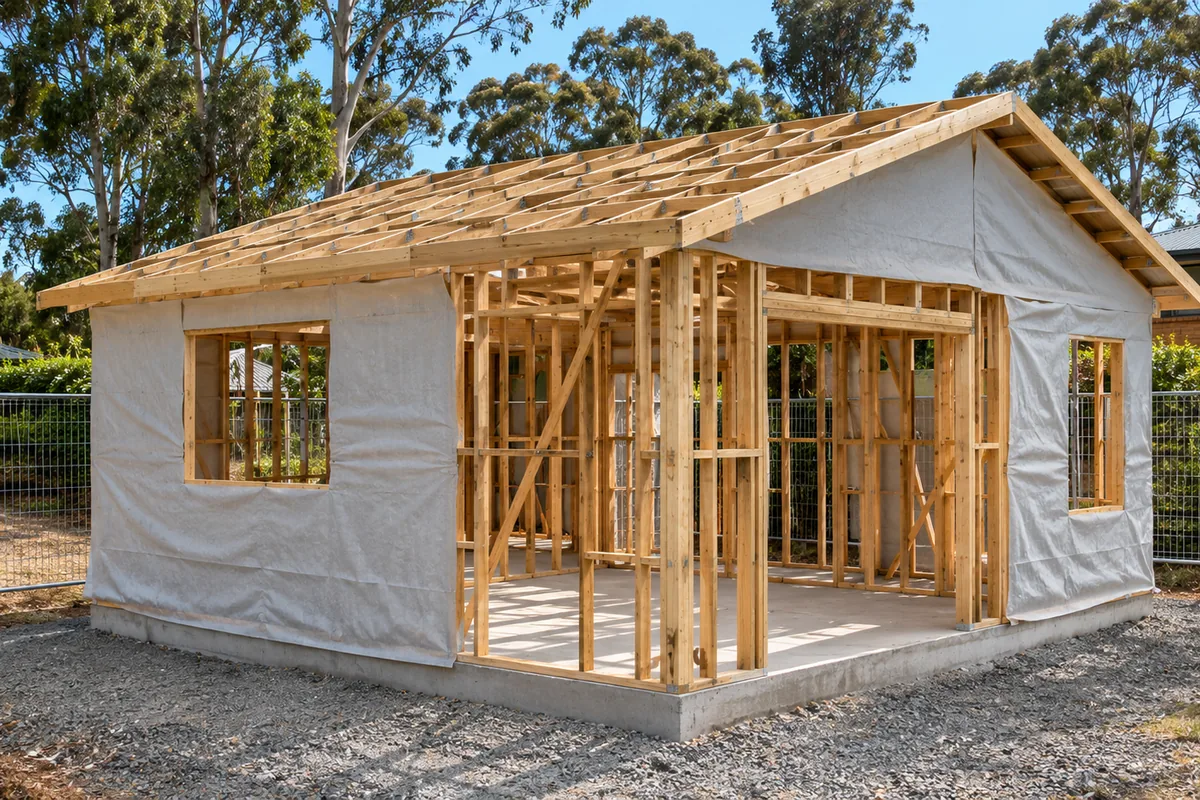
Under ACT guidance, residential building work above a set value carries statutory warranties even if your contract does not mention them. Check the current value threshold on the Access Canberra site. Statutory warranties do not cover items such as paving, fences, retaining walls, outdoor swimming pools, ponds and antennas.
That exclusion matters on a sloping block. If your granny flat needs a retaining wall, ask who builds it, who warrants it, and whether it is in the contract price. For some residential work above the threshold, the builder must hold residential building work insurance or a fidelity fund certificate before starting. Ask to see it.
How do you check the builder?
Make sure the builder holds the right licence class for the work. You can search licences on the Access Canberra public registers, and check the disciplinary register for action against the builder or its directors. The ACT page also recommends getting at least three quotes, noting that the cheapest quote is not always the best value, and getting legal and financial advice before you sign a building contract.
Our hiring checklist puts these steps in a printable list.
Which questions should you ask before signing?
- Is the price fixed for the described scope, and where is that scope written?
- What is excluded, and what is an allowance?
- How are variations priced and approved?
- What payment is due at each stage?
- Who appoints the certifier, and who pays the approval costs?
- Which warranties and insurance apply to the work?
On sites with hard access or uncertain ground, add site works to the list. See excavation and site works.
What happens when you enquire?
- You send the block details and what you want built.
- We list the scope, the items priced separately and the approvals needed.
- You compare it against other written quotes at your own pace.
For design-led projects, the custom design service explains how a scope is built from the plans.
Questions and answers
Does a Canberra granny flat contract have to be in writing?
How big a deposit is normal?
Can a fixed price still go up?
Who appoints the building certifier?
Are retaining walls covered by statutory warranties?
Sources, checked 15 November 2026: ACT Planning, hiring a builder, ACT Planning, during construction.