Granny flat inspections in Canberra: what the building certifier checks
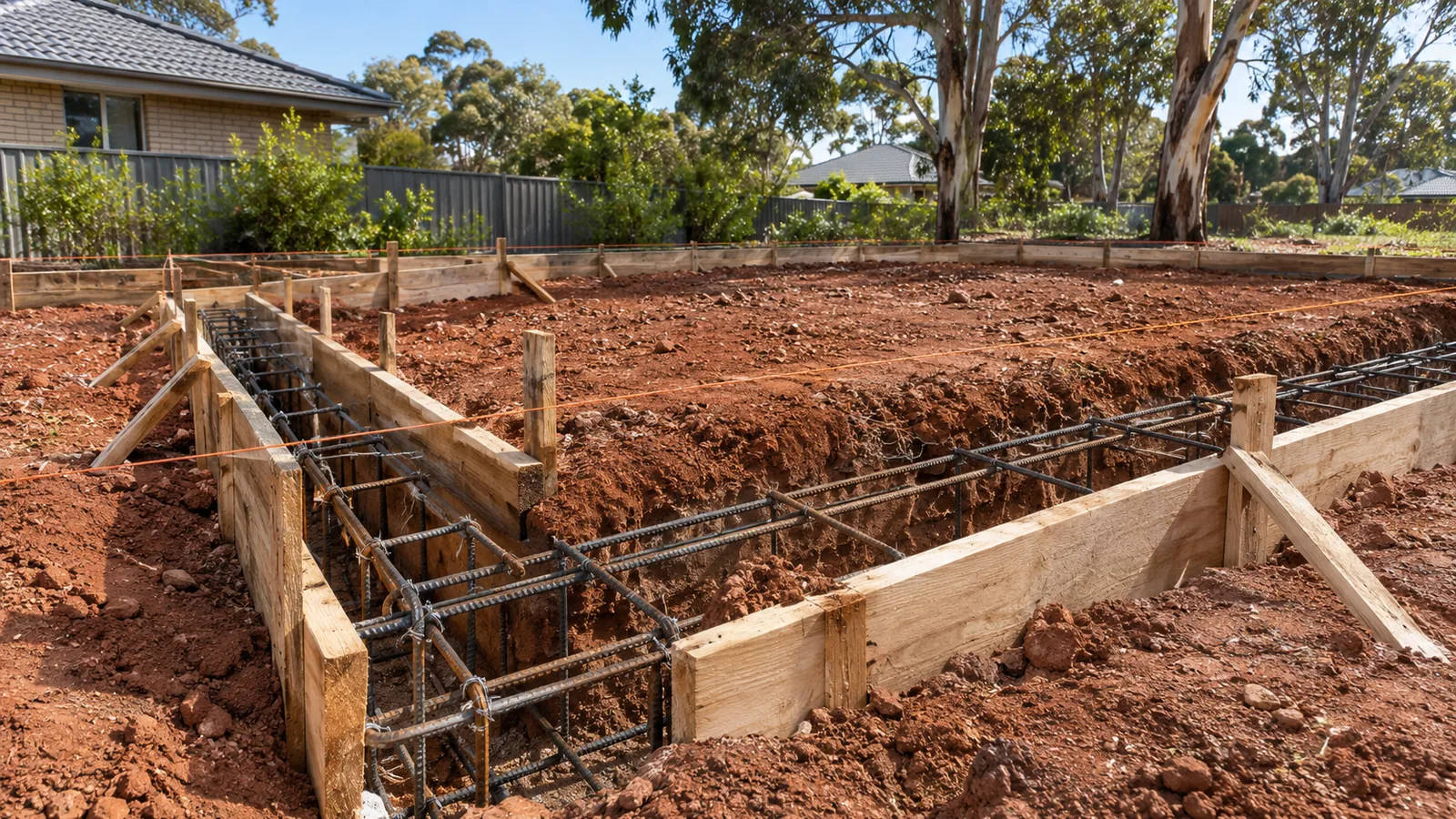
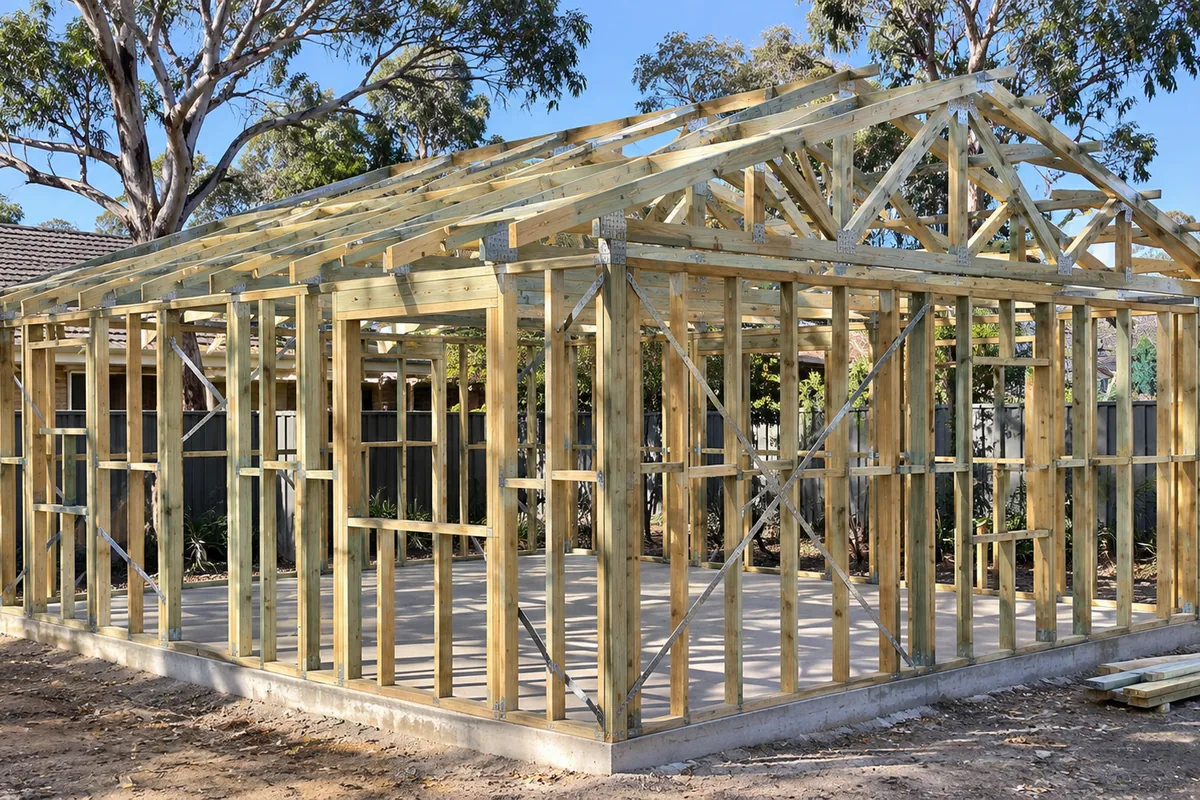
For a house-type building, the ACT lists 4 mandatory certifier inspections: before footing concrete is poured, at frame stage before lining, before any reinforced concrete member is poured, and when all approved work is complete. Electrical, plumbing, drainage and gas work have their own government inspections.
Who is the building certifier and who chooses them?
The landowner appoints the building certifier. The certifier must hold the relevant licence and must have no legal, financial or personal interest in the land or the work. Building approval is required unless the work is exempt, and government regulatory fees apply.
A residential building contract must not give the builder the right to appoint the certifier unless that is in a separate written agreement. That keeps the person who checks the work independent of the person doing it. If you are still choosing a builder, see our contract guide.
What are the mandatory inspection stages?
ACT Planning lists these stages for a house or a non-habitable building (classes 1 and 10 of the building code). The builder must tell the certifier when each stage is ready.
| Stage | Ready when |
|---|---|
| 1. Footings | Excavation, formwork and steel are done, before concrete |
| 2. Frame | Structure is complete, before internal lining |
| 3. Concrete members | Formwork and steel are done, before the pour |
| 4. Final | All approved work is complete |
Stage 3 only applies if the design has reinforced concrete members other than the footings. The certifier can also ask for extra inspections.
Who inspects electrical, plumbing, drainage and gas work?
ACT Government inspections cover electrical, plumbing, drainage and gasfitting work. They are separate from the certifier's inspections. The licensed professionals doing the work arrange them. Ask the builder for a list of which inspections apply to your flat and when each is booked.
If the design brings services across the block, read our utilities and connections guide first, so the trench and the inspection line up.
What should be ready before each inspection?
The builder arranges the inspection, but the site has to be in a state the certifier can use. Typical needs are:
- clear access to the pad, footings or frame;
- approved plans on site;
- the work finished to the stage, with nothing covered over;
- site duties met, such as signage, fencing and amenities.
Covering work before it is inspected can mean uncovering it again. Ask your builder how they book each inspection and how you will be told the result.
What if the certifier finds a problem?
A certifier can give directions for work that does not comply, request extra inspections, issue stop notices and report suspected breaches to the Construction Occupations Registrar. A direction does not mean the project has failed. Most are fixed and then re-checked.
Ask for any direction in writing, and ask your builder how it will be fixed and who bears the cost under your contract.
Are there other approvals around the building work?
Yes. ACT Planning notes that other approvals may be needed, such as for driveways or tree removal. A secondary residence also needs development approval unless it is exempt, and a lease variation if your Crown lease does not allow a second dwelling. Our approval rules guide sets out the order.
Each suburb has its own block mix. A narrow older block in Weston Creek raises different questions from a new-estate block in Gungahlin.
How do inspection stages line up with your payments?
Access Canberra advises that progress payments should be tied to completed stages of work. The certifier's stages give you a neutral marker for that. A footing claim makes sense once the footing inspection has been passed. A frame claim makes sense once the frame has been inspected and the certifier has no outstanding directions.
Ask your builder to show, in the payment schedule, which stage each claim belongs to. If a claim arrives for a stage that has not been inspected, ask why before you pay. Our contract guide covers deposits, variations and the other items worth writing down.
What can you do as the homeowner?
- Get the certifier's name and licence details in writing.
- Ask the builder for the inspection list and the booking dates.
- Keep a copy of every inspection result and direction.
- Check the final approved documents before you pay the last progress claim.
You can also ask for more inspections than the minimum if you want them. See the build process guide for the timeline around these stages.
What happens when you enquire?
- You share the address and the size of flat you want.
- We map the approvals and inspections for that block.
- You get a written outline of the stages in order.
For the flat itself, see our one-bedroom granny flat service. The lease guide covers the paperwork before design.
Questions and answers
How many mandatory inspections does a Canberra granny flat have?
Does the council do the inspections?
Who tells the certifier a stage is ready?
Can I choose the certifier myself?
What happens if work fails an inspection?
Sources, checked 15 November 2026: ACT Planning, during construction, ACT Planning, hiring a builder.